
Gestational Diabetes Risks and Complications: What Every Pregnant Woman Should Know
Finding out you have gestational diabetes during pregnancy can feel overwhelming. You may have dozens of questions racing through your mind — Is my baby safe? What happens to me after delivery? How serious is this, really?
The honest answer: gestational diabetes is manageable, but it does carry real risks that deserve your full attention. The good news is that when it’s caught early and properly controlled, most women with gestational diabetes go on to have healthy pregnancies and healthy babies. Understanding the risks is the first step toward reducing them.
This guide breaks down exactly what gestational diabetes can mean for you and your baby — during pregnancy, at delivery, and in the years that follow.
—
What Is Gestational Diabetes and Who Gets It?
Gestational diabetes mellitus (GDM) is a type of diabetes that develops during pregnancy in women who did not have diabetes before. It happens when the hormones produced by the placenta interfere with the body’s ability to use insulin effectively, causing blood sugar levels to rise higher than normal.
It typically develops in the second or third trimester and is usually diagnosed through a glucose screening test between weeks 24 and 28 of pregnancy. Some women are screened earlier if they have higher risk factors.
Common risk factors include:
- Being overweight or obese before pregnancy
- A family history of type 2 diabetes
- Previously delivering a baby weighing more than 9 pounds
- A prior diagnosis of gestational diabetes
- Polycystic ovary syndrome (PCOS)
- Being over age 35
- Belonging to certain ethnic groups, including Hispanic, Black, Asian, and Native American populations
It’s worth noting that gestational diabetes is not the same as type 1 or type 2 diabetes — though it does share some underlying mechanisms. If you’re curious about how different forms of diabetes compare, our breakdown of Juvenile Diabetes vs Type 2: Key Differences Explained offers helpful context.
—
Risks and Complications for the Baby
This is often what concerns pregnant women most — and understandably so. Elevated blood sugar in the mother crosses the placenta and affects the baby directly.
Macrosomia (Large Birth Weight)
One of the most common complications is macrosomia, meaning the baby grows larger than normal — typically defined as a birth weight over 8 pounds, 13 ounces (4,000 grams). When a mother’s blood sugar is high, the baby’s pancreas produces extra insulin to process that sugar. That extra insulin acts as a growth hormone, causing the baby to store excess fat and grow larger than expected.
A large baby increases the risk of difficult delivery, birth injuries, and a higher likelihood of cesarean section (C-section).
Hypoglycemia After Birth
Because the baby’s pancreas has been working overtime to produce insulin in response to the mother’s high blood sugar, it may continue producing high levels of insulin shortly after birth — even after the glucose supply from the mother is cut off. This can cause the newborn’s blood sugar to drop dangerously low (neonatal hypoglycemia), which requires prompt medical attention.
Premature Birth
Gestational diabetes raises the risk of preterm labor and delivery before 37 weeks. Premature babies face a range of challenges, including underdeveloped lungs, difficulty regulating body temperature, and feeding problems.
Respiratory Distress Syndrome
Babies born to mothers with gestational diabetes — especially if delivered early — have a higher risk of respiratory distress syndrome, a condition in which the lungs are not mature enough to function properly without assistance.
Higher Risk of Obesity and Type 2 Diabetes Later in Life
Research consistently shows that children born to mothers who had gestational diabetes have a meaningfully elevated risk of developing obesity and type 2 diabetes later in their own lives. This is partly due to the metabolic environment they were exposed to in the womb.
Stillbirth
While rare, particularly in well-managed gestational diabetes, uncontrolled high blood sugar significantly increases the risk of stillbirth, especially in the final weeks of pregnancy. This is why careful monitoring is critical throughout the third trimester.
—
Risks and Complications for the Mother
Gestational diabetes doesn’t only affect the baby. The mother faces her own set of significant complications.
Preeclampsia
Women with gestational diabetes have a substantially higher risk of developing preeclampsia — a serious condition characterized by high blood pressure and signs of damage to other organ systems, most often the liver and kidneys. Preeclampsia can escalate quickly and, in severe cases, become life-threatening for both mother and baby. Early detection and monitoring are essential.
If you want to understand the relationship between diabetes and blood pressure in more depth, our guide on Diabetes and High Blood Pressure: What to Know covers this connection thoroughly.
Higher Risk of C-Section Delivery
Because gestational diabetes often leads to a larger baby, there is a higher rate of cesarean deliveries among women with the condition. A C-section comes with its own recovery challenges and carries slightly higher risks of infection and complications compared to vaginal delivery.
Urinary Tract Infections
Elevated blood sugar creates an environment where bacteria thrive. Women with gestational diabetes are more prone to urinary tract infections (UTIs) during pregnancy, which — if left untreated — can lead to kidney infections or trigger preterm labor.
Gestational Hypertension
Beyond preeclampsia, women with gestational diabetes are at elevated risk for gestational hypertension (high blood pressure during pregnancy without the other markers of preeclampsia). This still requires careful management and monitoring.
Long-Term Risk of Type 2 Diabetes
This is a critical point that doesn’t always receive enough attention. Women who develop gestational diabetes have a significantly elevated lifetime risk of developing type 2 diabetes — some estimates suggest the risk is five to ten times higher than for women who don’t develop GDM. Many women are not told this clearly enough, or they don’t receive adequate follow-up care after delivery.
The American Diabetes Association recommends that women who had gestational diabetes get tested for type 2 diabetes 6 to 12 weeks after delivery and then every 1 to 3 years thereafter.
Understanding what type 2 diabetes involves — and how to prevent or delay it — is essential. Practical tools like following a Best Diet for Diabetics Type 2: Complete Guide can form a critical part of long-term prevention after a gestational diabetes diagnosis.
—
How to Reduce Gestational Diabetes Risks
The complications above sound serious — and they can be. But a crucial point is that well-managed gestational diabetes dramatically reduces the risk of most of these complications. Here’s what management typically involves:
Blood Sugar Monitoring
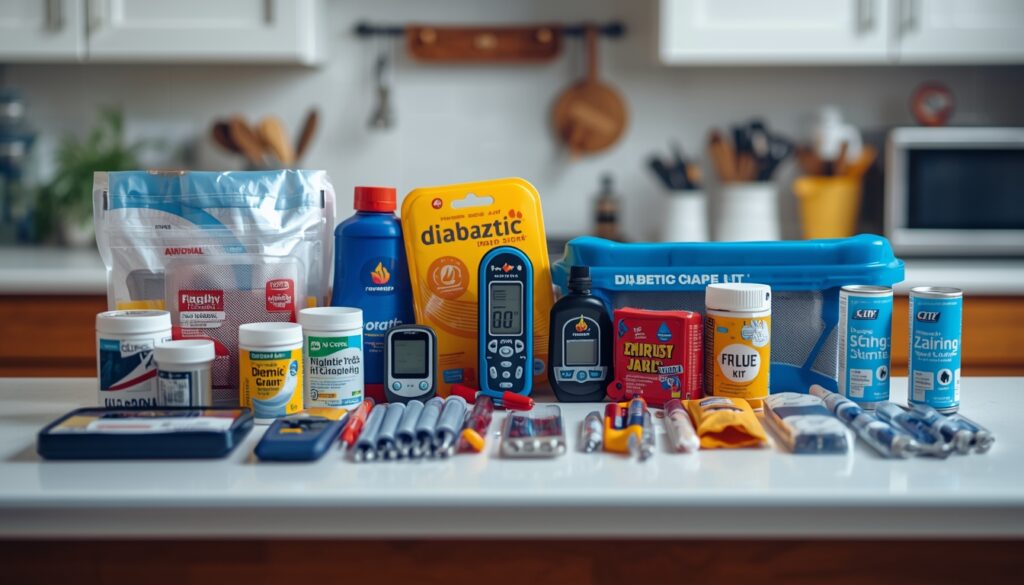
You’ll likely be asked to check your blood sugar multiple times per day — typically first thing in the morning (fasting) and after meals. Your healthcare provider will give you specific target ranges. Consistent monitoring is the foundation of safe management.
Dietary Changes
Adjusting what and how you eat is often the first-line treatment for gestational diabetes. The goal is to stabilize blood sugar levels without depriving you or your baby of needed nutrition. This generally means:
- Eating regular, balanced meals rather than large ones
- Reducing refined carbohydrates and sugary foods
- Increasing fiber intake from vegetables, legumes, and whole grains
- Spreading carbohydrates evenly across the day
- Eating breakfast carefully, since blood sugar tends to be more sensitive in the morning
A registered dietitian who specializes in diabetes and pregnancy can be an invaluable resource here.
Regular Physical Activity
Moderate exercise helps your cells use insulin more effectively, which directly lowers blood sugar. Walking after meals is a particularly effective and safe strategy during pregnancy. Always discuss any exercise plan with your OB or midwife before starting.
Medication When Needed
For some women, diet and exercise are not enough to achieve target blood sugar levels, and medication becomes necessary. Insulin is the most commonly used and is considered safe during pregnancy. In some cases, oral medications like metformin may be used, though this varies by provider and individual circumstances.
Regular Prenatal Monitoring
You’ll likely have more frequent prenatal appointments and ultrasounds than someone without gestational diabetes. This monitoring is designed to catch complications early — including checking the baby’s size, position, and wellbeing through non-stress tests later in pregnancy.
—
What Happens After Delivery?
For most women, blood sugar levels return to normal shortly after delivery. However, the experience of gestational diabetes is an important signal about your metabolic health going forward.
Steps to take after delivery:
- Get your postpartum glucose test at 6 to 12 weeks after birth
- Continue with healthy eating and regular physical activity
- Breastfeed if possible — research suggests breastfeeding may help lower the mother’s risk of developing type 2 diabetes
- Maintain a healthy weight over the long term
- Inform future healthcare providers that you had gestational diabetes
Understanding your long-term risk and taking it seriously is genuinely important. Gestational diabetes is not “just pregnancy diabetes” that disappears and can be forgotten. It’s a meaningful metabolic event with implications that extend well beyond the delivery room.
—
Conclusion
Gestational diabetes carries real risks — for both mother and baby — but those risks are not inevitable outcomes. They are possibilities that can be substantially reduced through early diagnosis, proper blood sugar management, and consistent medical care.
If you’ve been diagnosed with gestational diabetes, the most important thing you can do right now is work closely with your healthcare team, take your monitoring seriously, and understand that the choices you make during this pregnancy — and afterward — genuinely matter.
The postpartum chapter is equally important. Getting tested after delivery, making sustainable lifestyle changes, and staying on top of annual health checks can make an enormous difference in whether gestational diabetes becomes a chapter of your story or a recurring one.
You have more control over this than it might feel like right now. Use it.
Frequently Asked Questions
Does gestational diabetes always go away after delivery?
For most women, blood sugar levels return to normal within a few weeks after delivery. However, gestational diabetes is a strong indicator of future metabolic risk — women who have had GDM have a significantly higher lifetime risk of developing type 2 diabetes, so postpartum follow-up testing is essential.
Can gestational diabetes cause birth defects?
Unlike pre-existing type 1 or type 2 diabetes, gestational diabetes typically develops in the second trimester, after the baby’s organs have already formed. This means it’s less directly linked to birth defects than pre-existing diabetes. However, complications like macrosomia, preterm birth, and neonatal hypoglycemia remain real risks.
What blood sugar levels are considered dangerous during gestational diabetes?
Target blood sugar levels vary by provider and guidelines, but common targets include fasting levels below 95 mg/dL and one-hour post-meal levels below 140 mg/dL (or two-hour levels below 120 mg/dL). Consistently higher levels increase risk and typically warrant treatment adjustments, which is why daily monitoring matters.
Does having gestational diabetes mean I’ll definitely get type 2 diabetes later?
Not necessarily, but the risk is meaningfully elevated. Research suggests women with a history of gestational diabetes are 5 to 10 times more likely to develop type 2 diabetes than those without it. However, lifestyle changes — including maintaining a healthy weight, exercising regularly, and eating well — can significantly reduce this risk.
Leave a Reply