

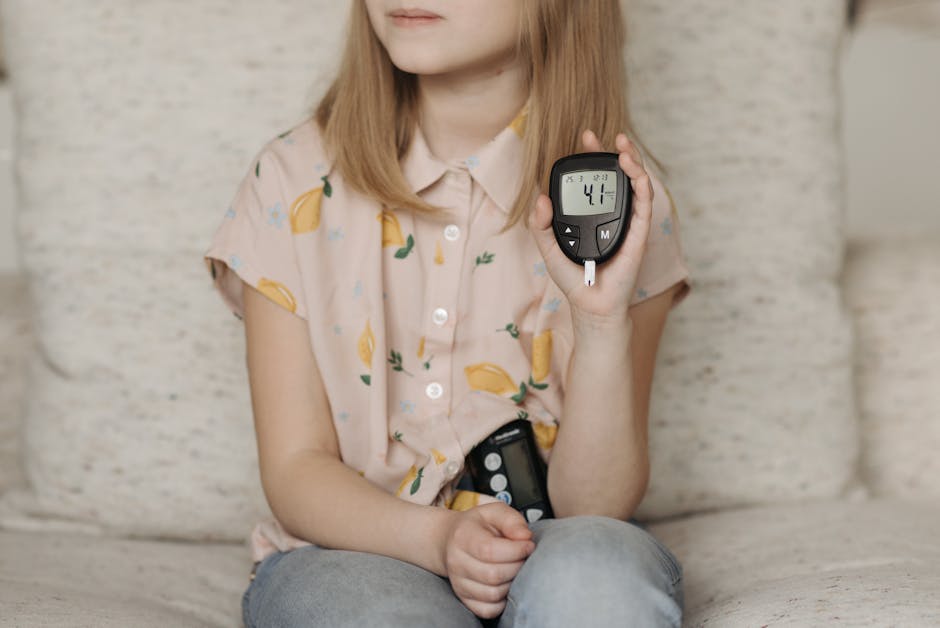
Juvenile Diabetes vs Type 2: Key Differences Explained
If you or someone you love has recently been diagnosed with diabetes — or you’re trying to understand a diagnosis better — you’ve probably noticed that not all diabetes is the same. Terms like “juvenile diabetes,” “Type 1,” and “Type 2” get tossed around, sometimes interchangeably, which creates real confusion.
Here’s the short version: juvenile diabetes is an older name for Type 1 diabetes, an autoimmune condition that most commonly appears in children and young adults. Type 2 diabetes is a metabolic condition that develops gradually, most often in adults, and is strongly linked to lifestyle factors. While both conditions involve blood sugar problems, their causes, progression, treatments, and long-term outlooks are meaningfully different.
This guide breaks down everything you need to know about juvenile diabetes vs Type 2 differences — in plain language, without the medical jargon overload.
—
What Is Juvenile Diabetes (Type 1)?
Juvenile diabetes is the common name for Type 1 diabetes, an autoimmune disease in which the body’s immune system mistakenly attacks and destroys the insulin-producing beta cells in the pancreas. Once those cells are gone, the pancreas can no longer make insulin — the hormone responsible for moving glucose from the bloodstream into cells for energy.
Without insulin, blood sugar rises to dangerous levels. People with Type 1 diabetes must take insulin every single day to survive. There is currently no cure and no way to prevent it.
Why Is It Called “Juvenile” Diabetes?
The term “juvenile diabetes” became common because Type 1 is most often diagnosed in children, teenagers, and young adults. However, the name can be misleading — adults can and do develop Type 1 diabetes at any age. A form called Latent Autoimmune Diabetes in Adults (LADA) is sometimes called “Type 1.5” because it shares features of both types but progresses more slowly.
The American Diabetes Association and most healthcare providers have largely moved away from the term “juvenile diabetes” in favor of “Type 1 diabetes” because of this adult-onset possibility.
What Causes Type 1 Diabetes?
The exact trigger is still not fully understood, but researchers believe a combination of genetic predisposition and environmental factors — possibly including viral infections — activates the immune response that destroys beta cells. It is not caused by diet, weight, or lifestyle choices.
—
What Is Type 2 Diabetes?
Type 2 diabetes is the most common form of diabetes, accounting for the vast majority of all diabetes cases worldwide. Unlike Type 1, the pancreas in someone with Type 2 still produces insulin — but either the body doesn’t use it effectively (insulin resistance) or the pancreas can’t produce enough to compensate. Over time, both problems tend to worsen.
Blood sugar remains elevated because glucose can’t enter cells efficiently, leading to a range of complications when unmanaged.
Who Gets Type 2 Diabetes?
Type 2 was historically considered an adult condition, but rising rates of childhood obesity have led to an increase in Type 2 diagnoses in children and adolescents. Still, the condition remains far more prevalent in adults, particularly those over age 45.
Key risk factors include:
- Being overweight or obese
- Physical inactivity
- Family history of Type 2 diabetes
- Prediabetes or a history of gestational diabetes
- Certain ethnic backgrounds (including Hispanic, Black, Asian, and Native American populations)
- High blood pressure or abnormal cholesterol levels
Unlike Type 1, Type 2 diabetes is often preventable and, in some cases, reversible through lifestyle changes, particularly in the early stages.
—
Juvenile Diabetes vs Type 2: A Side-by-Side Comparison
Understanding the core differences helps clarify why treatment and management approaches are so different for each condition.
Cause and Mechanism
| Feature | Juvenile Diabetes (Type 1) | Type 2 Diabetes |
|—|—|—|
| Root cause | Autoimmune destruction of beta cells | Insulin resistance + insufficient production |
| Insulin production | Little to none | Present, but ineffective or declining |
| Prevention possible? | No | Often yes, with lifestyle changes |
Who Is Affected
Type 1 can appear at any age but peaks in childhood and young adulthood. Type 2 is most common in adults but is increasingly diagnosed in younger people due to lifestyle trends.
Symptoms
Both types share classic diabetes symptoms — frequent urination, excessive thirst, fatigue, and blurry vision. However, Type 1 symptoms typically come on suddenly and severely, while Type 2 symptoms often develop slowly over months or years and may go unnoticed.
Type 1 diabetes can also cause diabetic ketoacidosis (DKA) — a life-threatening emergency where the body breaks down fat rapidly for fuel, producing toxic ketones. DKA can be the event that first reveals a Type 1 diagnosis. DKA is less common in Type 2 but can still occur under certain conditions.
Treatment Approaches
This is where juvenile diabetes and Type 2 differ most dramatically in daily life.
Type 1 (Juvenile) Diabetes Treatment:
- **Insulin is non-negotiable.** Multiple daily injections or an insulin pump are required.
- Blood sugar monitoring is continuous and critical.
- Carbohydrate counting helps match insulin doses to meals.
- Technology tools like continuous glucose monitors (CGMs) and closed-loop insulin delivery systems are increasingly standard.
Type 2 Diabetes Treatment:
- Often begins with **lifestyle changes** — diet, exercise, and weight management.
- Oral medications like metformin are typically first-line treatments.
- Additional medications (GLP-1 receptor agonists, SGLT-2 inhibitors, etc.) may be added as needed.
- Some people with Type 2 do eventually require insulin, but it is not always necessary.
If you’re managing Type 2 and exploring dietary strategies, our Best Diet for Diabetics Type 2: Complete Guide offers a comprehensive breakdown of what eating patterns work best for blood sugar control.
—
Long-Term Health Risks: Similarities and Differences
Both Type 1 and Type 2 diabetes carry serious long-term health risks when blood sugar is poorly controlled. These include:
- **Cardiovascular disease** — the leading cause of death for people with both types of diabetes
- **Kidney disease (nephropathy)**
- **Nerve damage (neuropathy)**
- **Eye damage (retinopathy)**
- **Foot complications**
Because both conditions affect blood vessels and nerves when glucose remains high, the long-term complications overlap significantly. The difference is largely in when and why these complications develop.
People with Type 1 often live with the disease for decades longer before complications appear (since many are diagnosed young), making consistent management over a lifetime especially important. Type 2, often diagnosed later in life and after years of elevated blood sugar, may present with complications earlier in the disease timeline.
For a deeper look at one of the most serious shared risks, see our guide on Diabetes and Heart Disease Risk: What You Need to Know.
—
Managing Costs and Access to Care
One of the biggest real-world challenges for people with Type 1 diabetes is the ongoing cost of insulin and supplies. Because insulin is not optional for Type 1 survival, access and affordability are critical concerns.
For people with Type 2, the cost picture is somewhat different. Many early-stage Type 2 medications are available as low-cost generics. However, newer medications — which can be highly effective — carry significant price tags.
Both groups benefit from knowing what assistance programs exist. Our Affordable Insulin Options in the US (2025 Guide) covers manufacturer programs, state-level caps, and other options that can meaningfully reduce out-of-pocket costs.
—
Emotional and Mental Health Considerations
Living with either type of diabetes carries a psychological burden that often doesn’t get enough attention. The constant monitoring, planning, and management required — combined with the unpredictability of blood sugar — contributes to higher rates of anxiety, burnout (sometimes called “diabetes distress”), and depression in people with both Type 1 and Type 2.
For those with Type 1, the stakes of getting it wrong feel especially high, since a missed insulin dose or miscalculation can lead to a rapid health crisis. For Type 2, the social stigma around the condition — the misperception that it’s purely a result of personal failure — can cause significant emotional harm.
Support from healthcare providers, peer communities, and mental health professionals can make a substantial difference in quality of life for people managing either type.
—
Conclusion
Juvenile diabetes (Type 1) and Type 2 diabetes are fundamentally different conditions that share a name and some overlapping symptoms, but differ in cause, onset, treatment, and management approach. Type 1 is an autoimmune disease requiring lifelong insulin therapy, while Type 2 is a metabolic condition that often responds to lifestyle changes and oral medications — though it can also require insulin over time.
Understanding these differences isn’t just academic — it shapes every decision about treatment, diet, monitoring, and long-term care. Whether you’re navigating a new diagnosis or supporting someone who is, getting clear on which type of diabetes is involved is the essential first step toward managing it effectively.
If you’ve been recently diagnosed or are helping a family member understand their condition, speaking with a certified diabetes care and education specialist (CDCES) alongside your doctor can make an enormous difference in building a management plan that actually fits your life.
—
Frequently Asked Questions
Is juvenile diabetes the same as Type 1 diabetes?
Yes. “Juvenile diabetes” is an older term for Type 1 diabetes. It was called juvenile because it most often appears in children and teens, but adults can develop Type 1 as well. Most medical professionals now use “Type 1 diabetes” to avoid confusion.
Can Type 2 diabetes develop in children?
Yes. While Type 2 was historically considered an adult disease, it is increasingly diagnosed in children and teenagers, largely driven by rising rates of childhood obesity and sedentary lifestyles. It remains much less common in children than Type 1, but the trend is a growing public health concern.
What is the biggest difference between Type 1 and Type 2 diabetes treatment?
People with Type 1 diabetes must take insulin every day — there is no alternative. People with Type 2 often start with lifestyle changes and oral medications, and may never require insulin, though some do need it as the condition progresses.
Can juvenile diabetes (Type 1) be prevented?
No. Type 1 diabetes is an autoimmune disease and cannot currently be prevented through diet, exercise, or any lifestyle measure. Research into prevention strategies is ongoing. Type 2 diabetes, by contrast, can often be delayed or prevented through healthy lifestyle habits.
Leave a Reply