
Traveling with Diabetes Tips: How to Stay Safe and Enjoy Every Journey
Diabetes doesn’t have to keep you grounded. Millions of people with Type 1 and Type 2 diabetes travel domestically and internationally every year — and they do it safely, comfortably, and without compromising their health. The key is preparation. With the right planning, the right supplies, and the right mindset, you can navigate airports, time zones, unfamiliar cuisines, and long road trips without letting your blood sugar call the shots.
This guide covers the most practical, doctor-endorsed traveling with diabetes tips so you can pack your bags with confidence.
—
1. Plan Ahead: Talk to Your Doctor Before You Go
One of the most important steps you can take before any trip — whether it’s a weekend getaway or a two-week international adventure — is scheduling a pre-travel appointment with your endocrinologist or primary care provider.
What to Discuss With Your Doctor
- **Medication adjustments**: Time zone changes can throw off insulin timing. Your doctor can help you create a dosing schedule that accounts for travel across multiple time zones.
- **Updated prescriptions**: Ask for extra refills or a written prescription in case your medication is lost or damaged during travel.
- **A travel letter**: Request a signed letter on official letterhead explaining your diagnosis, the medications and devices you carry, and why they’re medically necessary. This is especially important when passing through airport security or customs.
- **Sick-day plans**: Illness while traveling is common. Know what to do if you develop a stomach bug or infection that disrupts your normal blood sugar control.
Getting clearance and guidance from your healthcare provider isn’t just about safety — it also gives you peace of mind so you can actually enjoy your trip.
—
2. Pack Smart: What to Bring and How to Store It
Packing for diabetes requires a bit more strategy than the average traveler, but it doesn’t have to be overwhelming. The golden rule: always pack more than you think you’ll need, and keep everything diabetes-related in your carry-on luggage, never in checked bags.
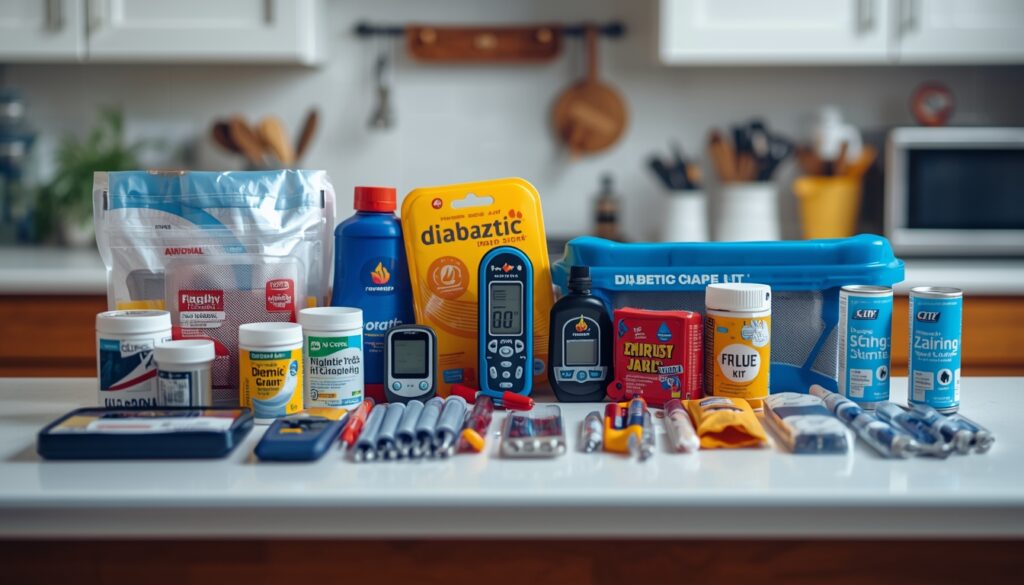
Essential Diabetes Travel Supplies Checklist
- **Insulin or oral medications** (at least double your expected supply)
- **Blood glucose meter and extra test strips**
- **Continuous glucose monitor (CGM) sensors and transmitter**, if applicable
- **Insulin pump supplies** (infusion sets, reservoirs, extra batteries)
- **Fast-acting glucose tablets or gel** for treating hypoglycemia
- **Glucagon emergency kit** (if prescribed)
- **Alcohol swabs, lancets, and syringes**
- **A cooler or insulated travel case** for insulin storage
- **Healthy snacks** (nuts, protein bars, low-glycemic options)
- **Your medical ID bracelet or card**
Keeping Insulin Safe in Transit
Insulin is sensitive to extreme temperatures. Exposure to heat (above 80°F/27°C for extended periods) or freezing temperatures can render it ineffective. Use an insulated case like a Frio wallet or a small cooler with ice packs designed specifically for medication. Avoid leaving insulin in a hot car or in checked luggage that may be exposed to freezing temperatures in the cargo hold.
If you’re traveling internationally, it’s worth researching whether your specific insulin brand is available at your destination, as formulations and concentrations can differ by country (for example, U-40 vs. U-100 insulin).
—
3. Navigate Airports and Security With Confidence
Airport security can feel intimidating when you’re carrying syringes, lancets, and an insulin pump — but TSA (and most international equivalents) have clear protocols for travelers with diabetes.
TSA Rules for Diabetes Supplies
The TSA officially allows all diabetes-related supplies, equipment, and medications through security. Here are a few things to know:
- **Insulin and liquid medications** are exempt from the standard 3.4 oz liquid rule when clearly identified as medically necessary.
- **Syringes and lancets** are permitted if accompanied by insulin or a diabetes diagnosis.
- **CGM devices and insulin pumps** do not need to be removed for X-ray screening. You can request a pat-down instead if you prefer not to send your device through the scanner. Inform the officer before screening begins.
- **Ice packs or gel coolers** for medication are allowed even if they’re partially frozen or slushy.
Carry your doctor’s letter prominently, keep all supplies in a clear, labeled bag, and arrive a few extra minutes early to allow time for additional screening if needed.
Flying Internationally
If you’re flying internationally, research the customs rules at your destination. In most countries, travelers are permitted to carry insulin and diabetes supplies for personal use. However, some countries have restrictions on certain medications or require documentation. The International Diabetes Federation (IDF) provides country-specific guidance for travelers with diabetes.
—
4. Managing Blood Sugar on the Road
Maintaining blood sugar control while traveling involves navigating disrupted routines, unfamiliar foods, and irregular activity levels — all of which can affect your glucose. Here’s how to stay on top of it.
Dealing with Time Zone Changes
When crossing multiple time zones, your meal schedule, medication timing, and sleep patterns all shift. Generally:
- **Traveling east** (shorter day): You may need less insulin.
- **Traveling west** (longer day): You may need more insulin.
Work with your doctor ahead of time to map out a specific dosing plan. Keep your home-time clock visible so you don’t lose track of medication timing during the adjustment period.
Eating Well While Traveling
Airport food, road trip snacks, and restaurant meals abroad can make carb counting a challenge. A few strategies that help:
- **Research restaurants ahead of time** using apps like HappyCow, Yelp, or local food blogs to find options with clear nutritional information.
- **Carry backup snacks** at all times — nuts, cheese sticks, jerky, and low-sugar protein bars are portable and blood-sugar friendly.
- **Be cautious with unfamiliar foods**: Different cuisines, especially when you can’t read the menu, may contain hidden sugars or high-glycemic ingredients. When in doubt, monitor more frequently after eating.
- **Alcohol affects blood sugar**: If you choose to drink, stick to low-carb options like dry wine or spirits, eat food alongside, and monitor closely. Alcohol can cause delayed hypoglycemia, especially overnight.
Staying Active and Monitoring More Frequently
Activity levels change dramatically when traveling. You might walk 10,000 more steps than usual sightseeing, or sit still for 14 hours on a flight. Both extremes affect blood sugar. Plan to check your glucose more often than usual — at minimum before and after meals, before bed, and before and after any unusual physical activity.
If you use a CGM, make sure your sensors are well-stocked and functioning. The real-time data is especially valuable in new environments.
—
5. Affordable Ways to Prepare for Diabetes Travel
Travel preparation shouldn’t break the bank. There are several affordable options for ensuring you have everything you need without overspending.
Cost-Saving Tips for Diabetes Travel Supplies
- **Generic test strips**: Many pharmacies carry generic or store-brand blood glucose meters and strips that are significantly cheaper than name brands and equally accurate. Check compatibility before purchasing.
- **Mail-order pharmacies**: If your insurance covers mail-order prescriptions, ordering a 90-day supply before your trip is often cheaper than a 30-day fill at a retail pharmacy.
- **GoodRx and similar discount programs**: Even without insurance, discount cards can dramatically reduce the cost of insulin, metformin, and other diabetes medications. This can be especially helpful if you need to fill a prescription unexpectedly while traveling.
- **Community health clinics**: If you need a pre-travel consultation but lack robust insurance coverage, federally qualified health centers (FQHCs) offer sliding-scale fee appointments.
- **Travel insurance with medical coverage**: Look for travel insurance policies that specifically cover pre-existing conditions like diabetes. This can protect you from enormous out-of-pocket costs if a medical issue arises abroad.
For more strategies on keeping diabetes care costs manageable, explore [affordable diabetes management options](url) that can help you prepare without financial stress.
—
6. Handling Emergencies While Traveling
Even the best-prepared traveler can encounter unexpected situations. Knowing how to handle a diabetes emergency on the road is essential.
Hypoglycemia (Low Blood Sugar)
Low blood sugar can come on suddenly — especially with increased physical activity, delayed meals, or alcohol consumption. Always carry fast-acting carbohydrates: glucose tablets, juice boxes, or regular (non-diet) soda. Treat a low immediately; don’t wait to see if it resolves on its own. Follow the 15-15 rule: consume 15 grams of fast-acting carbs, wait 15 minutes, and recheck.
If you’re traveling with others, make sure at least one person knows the signs of hypoglycemia and how to administer glucagon if you become unresponsive.
Hyperglycemia and Ketoacidosis
Heat, stress, illness, and changes in diet or activity can all cause blood sugar to spike. If you feel the symptoms of high blood sugar — excessive thirst, frequent urination, fatigue, blurred vision — check your levels, hydrate, and administer correction insulin if prescribed. Ketone strips are a small, lightweight addition to your kit that can help you identify diabetic ketoacidosis (DKA) early.
Finding Medical Care Abroad
Before you travel internationally, identify the nearest hospital or clinic to your accommodations. Apps like Maps.me or Google Maps can help you locate hospitals quickly. The U.S. Embassy website for your destination country often lists English-speaking physicians and medical facilities.
—
Conclusion
Traveling with diabetes requires more planning than the average trip, but it absolutely should not stop you from exploring the world. By preparing thoroughly before you leave, packing smart, understanding airport procedures, and staying on top of blood sugar management throughout your journey, you can travel safely and comfortably — regardless of your destination.
The most important takeaway? Start preparing early. The more runway you give yourself before departure, the more relaxed and confident you’ll feel once you’re on the road (or in the air). With the right supplies, a solid plan, and a little flexibility, diabetes becomes just one more thing you manage — not a reason to stay home.
Safe travels.
Frequently Asked Questions
Can I bring insulin on a plane?
Yes. The TSA allows insulin and all diabetes supplies through airport security. Insulin is exempt from the standard liquid limits when it is clearly identified as medically necessary. Carry a doctor’s letter and keep supplies in your carry-on bag.
How do I keep insulin cold while traveling?
Use an insulated travel case designed for insulin, such as a Frio wallet (activated with water) or a small cooler with ice packs. Avoid leaving insulin in a hot car or in checked luggage. Unopened insulin stored properly at room temperature (below 80°F) is typically stable for 28 days.
How do I adjust my insulin schedule when crossing time zones?
Consult your endocrinologist before traveling. As a general rule, traveling east shortens the day and may require less insulin, while traveling west lengthens the day and may require more. Your doctor can help you create a specific adjustment plan tailored to your regimen and destination.
What should I eat when traveling with diabetes?
Focus on low-glycemic, high-protein snacks like nuts, seeds, cheese, and protein bars. Research restaurant menus in advance when possible, be cautious with unfamiliar foods that may contain hidden sugars, and always carry fast-acting carbohydrates for treating hypoglycemia. Monitor blood sugar more frequently than usual after meals away from home.
Leave a Reply