

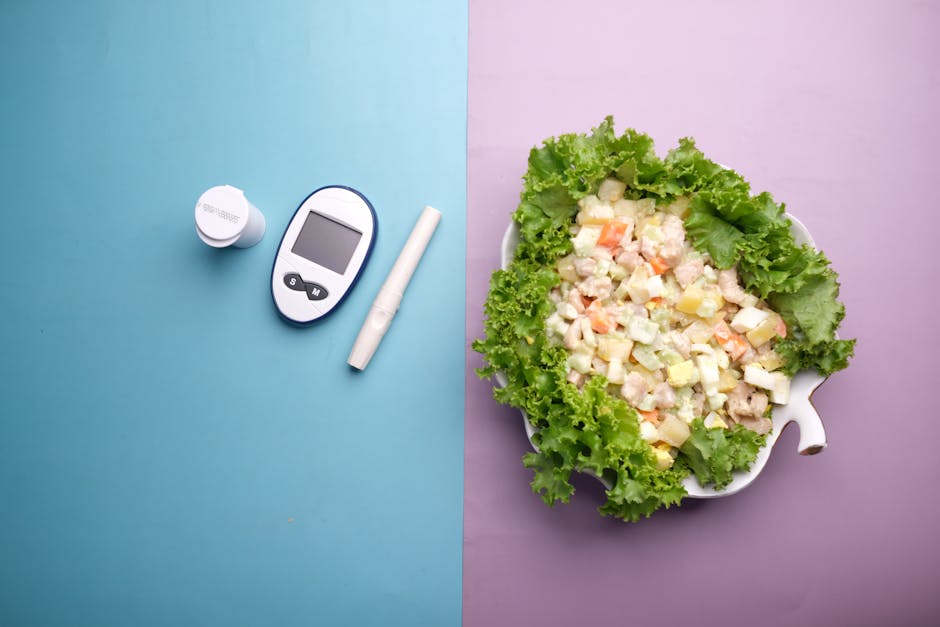
Mediterranean Diet for Diabetics: A Complete Guide
If you have diabetes, you already know that what you eat has a direct impact on your blood sugar, energy levels, and long-term health. Among the many dietary approaches studied for diabetes management, the Mediterranean diet consistently stands out — not as a restrictive “diet” in the traditional sense, but as a sustainable, enjoyable way of eating that happens to support healthy blood sugar levels remarkably well.
This guide breaks down exactly what the Mediterranean diet is, why it works for people with diabetes, what to eat, what to limit, and how to make it work in real life — without spending a fortune or overhauling your entire kitchen overnight.
—
What Is the Mediterranean Diet?
The Mediterranean diet is based on the traditional eating patterns of countries bordering the Mediterranean Sea — places like Greece, Italy, Spain, and Turkey. It isn’t a rigid meal plan with strict rules. Instead, it’s a flexible framework built around whole, minimally processed foods.
Core components include:
- **Vegetables and fruits** — consumed in large amounts daily
- **Whole grains** — such as oats, barley, farro, and whole wheat bread
- **Legumes** — beans, lentils, and chickpeas several times per week
- **Healthy fats** — primarily extra-virgin olive oil as the main fat source
- **Nuts and seeds** — as regular snacks and meal additions
- **Fish and seafood** — at least twice per week
- **Poultry and eggs** — in moderate amounts
- **Dairy** — mostly as yogurt and cheese, in moderate portions
- **Red meat** — limited to occasional consumption
- **Red wine** — optional, only in moderation (and only if your doctor approves)
What the Mediterranean diet minimizes is just as important: ultra-processed foods, refined carbohydrates, added sugars, sugary drinks, and processed meats are all kept to a minimum.
—
Why the Mediterranean Diet Works for Diabetics
The Mediterranean diet has been studied extensively in the context of type 2 diabetes, prediabetes, and metabolic health. Here’s why it tends to work so well.
It Supports Better Blood Sugar Control
Foods central to the Mediterranean diet — vegetables, legumes, whole grains, and healthy fats — are digested more slowly than processed carbohydrates. This leads to a gradual rise in blood glucose rather than sharp spikes. The high fiber content of this eating pattern plays a major role in slowing the absorption of sugar into the bloodstream.
Olive oil and nuts, which are rich in monounsaturated and polyunsaturated fats, also appear to improve insulin sensitivity, meaning your body can use insulin more effectively. If you’re also interested in how other dietary strategies affect insulin sensitivity, our insulin resistance diet plan guide covers this topic in detail.
It Reduces Cardiovascular Risk
People with diabetes face a significantly higher risk of heart disease. The Mediterranean diet is one of the most well-studied dietary patterns for cardiovascular protection. It’s associated with lower LDL cholesterol, reduced inflammation, and healthier blood pressure — all critical factors for diabetics managing long-term health.
It Supports Weight Management
Excess body weight, particularly around the abdomen, contributes to insulin resistance and makes blood sugar harder to control. The Mediterranean diet’s emphasis on filling, nutrient-dense foods — fiber-rich vegetables, protein from fish and legumes, healthy fats from olive oil and nuts — naturally supports satiety without the need for calorie counting. For more strategies on this front, check out our guide on diabetes and weight loss tips that actually work.
It’s Anti-Inflammatory
Chronic low-grade inflammation is closely tied to insulin resistance and the progression of type 2 diabetes. The Mediterranean diet is rich in antioxidants from vegetables, fruits, olive oil, and fish — all of which help combat oxidative stress and inflammation at the cellular level.
—
What to Eat: Mediterranean Diet Foods for Diabetics
Here’s a practical breakdown of what a Mediterranean-style approach looks like on a day-to-day basis when you have diabetes.
Vegetables (Eat Generously)
Non-starchy vegetables should make up the foundation of most meals. Think leafy greens (spinach, kale, arugula), broccoli, cauliflower, zucchini, bell peppers, tomatoes, cucumbers, and eggplant. These are low in carbohydrates and calories but high in fiber, vitamins, and minerals.
Starchy vegetables like potatoes and sweet potatoes can still be included but in smaller portions, and ideally paired with protein or healthy fat to slow glucose absorption.
Whole Grains (Choose Wisely)
Not all grains are created equal for blood sugar management. Opt for minimally processed whole grains: oats (especially steel-cut or rolled), barley, bulgur wheat, farro, whole grain bread, and brown rice. These have a lower glycemic impact than their refined counterparts.
Pay attention to portion size. A half-cup to one cup of cooked grains per meal is a reasonable starting point for most people with diabetes, though your individual response may vary.
Legumes (A Diabetes Superfood)
Beans, lentils, and chickpeas are arguably one of the best food choices for people with diabetes. They’re high in protein and fiber, have a low glycemic index, and are incredibly affordable. Aim for several servings per week — add them to soups, salads, or as a main dish.
Fish and Seafood
Fatty fish like salmon, sardines, mackerel, and trout are excellent sources of omega-3 fatty acids, which support heart health — crucial for diabetics. Aim for at least two servings of fish per week. Canned sardines or salmon are budget-friendly options that fit well into this eating pattern.
Olive Oil
Extra-virgin olive oil is the primary fat source in the Mediterranean diet and one of its most researched components. Use it for cooking, drizzling over vegetables, or as a base for salad dressings. It’s rich in oleic acid and plant compounds that support insulin sensitivity and heart health.
Nuts and Seeds
A small handful of walnuts, almonds, pistachios, or sunflower seeds makes an excellent snack for people with diabetes. They provide protein, fiber, and healthy fats that help blunt blood sugar spikes. Be mindful of portion sizes, as nuts are calorie-dense.
—
Foods to Limit on a Mediterranean Diet with Diabetes
Even within the Mediterranean framework, some modifications are helpful specifically for blood sugar management.
- **Refined carbohydrates**: White bread, white rice, pastries, and pasta made from refined flour can spike blood sugar quickly. Choose whole grain versions instead.
- **Added sugars**: Traditional Mediterranean cuisine actually uses relatively little added sugar, but be cautious of dressings, sauces, and packaged “Mediterranean-style” products that may contain hidden sugars.
- **Fruit juice**: Whole fruit is preferred over juice. Juice removes fiber and delivers a fast hit of natural sugar.
- **High-sugar fruits**: While fruit is healthy, be mindful of portion sizes with higher-sugar fruits like grapes, mangoes, and bananas if your blood sugar is hard to control. Berries, apples, and citrus fruits tend to have a lower glycemic impact.
- **Alcohol**: The Mediterranean diet traditionally includes moderate red wine, but if you have diabetes, discuss alcohol with your doctor first. It can affect blood sugar in unpredictable ways. Our article on [diabetes and alcohol](https://www.affordablediabetesoptions.com/diabetes-and-alcohol-what-to-know/) goes deeper on this topic.
—
A Sample Day of Mediterranean Eating for Diabetics
Here’s what a practical, blood-sugar-friendly Mediterranean day might look like:
Breakfast:
Greek yogurt (plain, full-fat) with a small handful of walnuts, a sprinkle of cinnamon, and fresh berries.
Lunch:
Large salad with mixed greens, cucumber, cherry tomatoes, olives, grilled chicken or canned sardines, feta cheese, and a drizzle of olive oil and lemon juice. One slice of whole grain bread on the side.
Dinner:
Baked salmon with roasted zucchini and bell peppers in olive oil, served alongside a small portion of barley or lentils.
Snacks:
A small handful of almonds. Hummus with sliced cucumber or celery.
This sample day is high in fiber, moderate in healthy carbohydrates, rich in protein and healthy fats, and low in refined or added sugars — a combination well-suited for blood sugar stability.
—
Practical Tips for Getting Started
You don’t need to overhaul everything at once. Here are some simple, realistic steps to ease into Mediterranean-style eating with diabetes:
1. Swap your cooking oil. Replace butter or vegetable oil with extra-virgin olive oil for everyday cooking.
2. Add a vegetable to every meal. Even small additions — a handful of spinach, some sliced cucumber — build the habit over time.
3. Eat fish twice a week. Canned options like sardines, tuna, or salmon are affordable and nutritious.
4. Replace refined grains gradually. Start with one swap — whole grain bread instead of white, or brown rice instead of white rice.
5. Use legumes as a protein source. A lentil soup or chickpea salad a few times a week saves money and supports blood sugar control.
6. Snack on nuts instead of processed snacks. A small portion of almonds or walnuts is far better for blood sugar than crackers or chips.
7. Monitor your blood sugar. Track how different Mediterranean meals affect your glucose levels so you can personalize what works best for your body.
—
Combining the Mediterranean Diet with Other Healthy Habits
Diet alone is powerful, but combining it with other healthy lifestyle habits amplifies the benefits for diabetes management. Regular physical activity — even walking 20-30 minutes daily — improves insulin sensitivity and helps your body use glucose more efficiently. You can learn more in our guide on diabetes and exercise benefits.
Managing stress, getting adequate sleep, and staying on top of your medications and monitoring all work alongside your diet to keep blood sugar in check. Think of the Mediterranean diet as one cornerstone of a broader approach to living well with diabetes.
—
Conclusion
The Mediterranean diet is one of the most researched, most recommended, and most sustainable dietary patterns for people with diabetes. It supports better blood sugar control, reduces cardiovascular risk, helps with weight management, and fights inflammation — all without requiring you to eliminate entire food groups or count every calorie.
The best part? It’s built around genuinely delicious, satisfying food. Olive oil, fish, vegetables, legumes, and whole grains aren’t a punishment — they’re a foundation for eating well for life.
Start with small, consistent changes. Choose one Mediterranean swap per week. Over time, those small changes add up to a meaningful shift in your health — and your relationship with food.
As always, work with your healthcare provider or a registered dietitian to tailor any dietary approach to your specific needs, medications, and blood sugar targets. The Mediterranean diet is a powerful tool — but it works best as part of a personalized diabetes management plan.
Frequently Asked Questions
Can the Mediterranean diet lower A1C levels?
Research suggests that following a Mediterranean diet consistently can help lower A1C levels in people with type 2 diabetes. The combination of high fiber foods, healthy fats, and low refined carbohydrate intake supports steadier blood sugar over time, which is reflected in lower A1C readings. Results vary by individual, and diet should work alongside your prescribed medication plan.
Is the Mediterranean diet better than a low-carb diet for diabetes?
Both have evidence supporting their effectiveness for blood sugar management. The Mediterranean diet is generally considered more sustainable long-term due to its flexibility and variety, while very low-carb or ketogenic diets can produce faster initial results but are harder to maintain. The best approach is the one you can stick to consistently — ideally determined with your doctor or dietitian based on your health goals and preferences.
Is the Mediterranean diet affordable for people on a budget?
Yes. Many core Mediterranean diet foods — canned fish, dried beans and lentils, oats, eggs, seasonal vegetables, and olive oil — are budget-friendly. Buying dried legumes in bulk, choosing frozen vegetables, and incorporating eggs as a protein source can keep costs low while still eating in a Mediterranean style.
Can people with type 1 diabetes follow the Mediterranean diet?
People with type 1 diabetes can follow a Mediterranean diet, but they need to be particularly attentive to carbohydrate portions and their impact on insulin dosing. The higher fiber content of this eating pattern can slow glucose absorption, which may affect how insulin timing works for them. Anyone with type 1 diabetes should work closely with their endocrinologist and possibly a certified diabetes educator when making significant dietary changes.
Leave a Reply