

Insulin Resistance Diet Plan: What to Eat, What to Avoid, and How to Start Today
If you’ve been told you have insulin resistance — or you suspect your blood sugar isn’t responding the way it should — you’re not alone. Insulin resistance affects tens of millions of people worldwide and is one of the leading drivers of prediabetes, type 2 diabetes, weight gain, and metabolic syndrome. The good news? What you eat has a profound effect on how your body responds to insulin, and a well-structured insulin resistance diet plan can make a measurable difference.
This guide breaks down exactly what insulin resistance is, which foods help or hurt, and how to build a practical eating plan you can actually follow.
—
What Is Insulin Resistance and Why Does Diet Matter?
Insulin is a hormone produced by your pancreas that acts like a key, unlocking your cells so they can absorb glucose (sugar) from the bloodstream for energy. When you have insulin resistance, your cells don’t respond to that key as efficiently. Your pancreas compensates by producing more insulin, but over time, this system becomes strained.
Chronically elevated insulin and blood sugar levels lead to a cascade of metabolic problems — including increased fat storage (especially around the abdomen), inflammation, high triglycerides, and eventually, prediabetes or type 2 diabetes.
Diet is central to managing insulin resistance because the foods you eat directly control how much glucose enters your bloodstream and how much insulin your body needs to produce in response. A diet high in refined carbohydrates and added sugars constantly pushes your pancreas into overdrive. A diet built around fiber, healthy fats, lean protein, and minimally processed foods does the opposite — it keeps blood sugar stable and reduces the demand on your insulin system.
For a deeper look at how these conditions overlap, our guide on the Prediabetes Diet Plan: What to Eat to Reverse It covers closely related ground and is worth reading alongside this article.
—
Foods to Eat on an Insulin Resistance Diet Plan
The most effective eating pattern for insulin resistance prioritizes foods that are low in refined carbohydrates, high in fiber, and rich in anti-inflammatory nutrients. Here’s a breakdown by category:
Non-Starchy Vegetables
These are the cornerstone of any insulin-friendly eating plan. Leafy greens (spinach, kale, arugula), broccoli, cauliflower, zucchini, bell peppers, cucumbers, and asparagus are all excellent choices. They provide fiber and micronutrients while having minimal impact on blood sugar.
High-Fiber Whole Grains
Unlike refined grains (white bread, white rice, pasta), whole grains digest more slowly and cause a more gradual rise in blood glucose. Good options include:
- Oats (especially steel-cut or rolled)
- Quinoa
- Brown or wild rice
- Barley
- Whole grain bread (look for 100% whole grain on the label)
Lean Proteins
Protein slows digestion and blunts blood sugar spikes when eaten alongside carbohydrates. Prioritize:
- Skinless chicken or turkey
- Fish and seafood (especially fatty fish like salmon, sardines, and mackerel, which also provide omega-3s)
- Eggs
- Legumes (lentils, chickpeas, black beans)
- Low-fat dairy or unsweetened Greek yogurt
Healthy Fats
Healthy fats improve insulin sensitivity and help you feel full. Focus on:
- Avocado and avocado oil
- Olive oil (extra virgin)
- Nuts and seeds (almonds, walnuts, chia seeds, flaxseed)
- Fatty fish
Low-Glycemic Fruits
Fruit contains natural sugar, but most whole fruits are fine in moderate portions because of their fiber content. Lower-glycemic options include berries (blueberries, strawberries, raspberries), cherries, apples, and pears. Limit very sweet tropical fruits like mangoes and pineapple.
Our Low Glycemic Index Foods List: Complete Guide is a useful companion resource if you want a more detailed breakdown of how specific foods rank on the glycemic index.
—
Foods to Avoid or Limit
Just as important as what you eat is what you cut back on. Certain foods promote blood sugar spikes and worsen insulin resistance over time.
Refined Carbohydrates and Sugary Foods
White bread, white rice, regular pasta, pastries, crackers, and most breakfast cereals are quickly broken down into glucose. They cause rapid spikes in blood sugar and demand large amounts of insulin. These should be minimized or replaced with whole-grain alternatives.
Sugary Beverages
Liquid sugar is particularly problematic because it bypasses many of the body’s natural satiety signals. Sodas, fruit juices, sweetened teas, flavored coffees, and energy drinks all cause sharp blood sugar spikes with little nutritional benefit.
Ultra-Processed Foods
Packaged snack foods, fast food, frozen meals, and many convenience items are often high in refined carbs, unhealthy fats, sodium, and hidden sugars. They’re engineered to be hyper-palatable, which makes portion control harder.
Trans Fats and Refined Vegetable Oils
Partially hydrogenated oils (trans fats) and highly refined seed oils found in many processed foods are linked to increased inflammation, which compounds insulin resistance.
Alcohol
Alcohol can interfere with blood sugar regulation and liver function. If you do drink, moderation is key, and it’s best to avoid sweet cocktails or mixers.
For a more complete picture, our guide on Foods That Spike Blood Sugar: What to Avoid goes into greater depth on specific culprits to watch out for.
—
Sample 7-Day Insulin Resistance Meal Plan
Here’s a practical week of eating to get you started. Portions should be adjusted to your individual calorie needs.
Day 1
- **Breakfast:** Steel-cut oats with chia seeds, cinnamon, and a handful of blueberries
- **Lunch:** Large salad with grilled chicken, avocado, cucumber, and olive oil dressing
- **Dinner:** Baked salmon with roasted broccoli and quinoa
- **Snack:** A small handful of almonds
Day 2
- **Breakfast:** Two scrambled eggs with spinach and a slice of whole grain toast
- **Lunch:** Lentil soup with a side of mixed greens
- **Dinner:** Stir-fried tofu with bell peppers, broccoli, and brown rice
- **Snack:** Greek yogurt (unsweetened) with walnuts
Day 3
- **Breakfast:** Smoothie made with unsweetened almond milk, spinach, frozen berries, and a tablespoon of flaxseed
- **Lunch:** Turkey and avocado wrap in a whole grain tortilla with leafy greens
- **Dinner:** Chicken thighs baked with herbs, served with roasted asparagus and wild rice
- **Snack:** Celery sticks with almond butter
Day 4
- **Breakfast:** Full-fat Greek yogurt with mixed berries and a sprinkle of chia seeds
- **Lunch:** Tuna salad (made with olive oil mayo) on lettuce wraps
- **Dinner:** Beef and vegetable stew with minimal potato, served over barley
- **Snack:** A small apple with a handful of walnuts
Day 5
- **Breakfast:** Veggie omelet (mushrooms, onions, spinach, peppers) with a slice of whole grain toast
- **Lunch:** Chickpea and cucumber salad with olive oil and lemon dressing
- **Dinner:** Grilled cod with roasted cauliflower and a small sweet potato
- **Snack:** Unsalted mixed nuts
Day 6
- **Breakfast:** Overnight oats with almond milk, raspberries, and a teaspoon of cinnamon
- **Lunch:** Black bean and vegetable bowl with brown rice and salsa
- **Dinner:** Shrimp stir-fry with snap peas, bok choy, garlic, and sesame oil over quinoa
- **Snack:** Sliced cucumber with hummus
Day 7
- **Breakfast:** Two poached eggs over sautéed greens with avocado
- **Lunch:** Large vegetable and lentil soup with a side salad
- **Dinner:** Turkey meatballs with zucchini noodles and a light tomato sauce
- **Snack:** A small pear with a tablespoon of almond butter
—
Key Dietary Strategies Beyond Just Food Choices
The specific foods you eat matter, but so do some broader dietary habits that influence how your body processes glucose.
Control Portion Sizes and Carbohydrate Portions
Even healthy carbohydrates can raise blood sugar if eaten in large quantities. A practical approach is the “plate method”: fill half your plate with non-starchy vegetables, one quarter with lean protein, and one quarter with a high-fiber carbohydrate.
Eat Regular Meals and Avoid Skipping
Skipping meals — especially breakfast — can lead to blood sugar swings and overeating later. Eating at consistent times helps your body anticipate and manage glucose more efficiently.
Pair Carbohydrates with Protein, Fat, and Fiber
Never eat carbohydrates alone. Pairing them with protein, healthy fat, or fiber slows digestion and blunts the blood sugar response. A banana on its own spikes blood sugar faster than a banana with almond butter.
Consider Time-Restricted Eating
Some research suggests that condensing your eating window (for example, eating only between 8am and 6pm) can improve insulin sensitivity in some people. However, this approach isn’t suitable for everyone, and it’s worth discussing with your healthcare provider before starting.
Stay Hydrated with Non-Sugary Drinks
Water, unsweetened herbal teas, and black coffee (in moderation) are your best beverage choices. Even 100% fruit juice, despite its “natural” label, is a concentrated source of sugar without the fiber of whole fruit.
—
Monitoring Progress
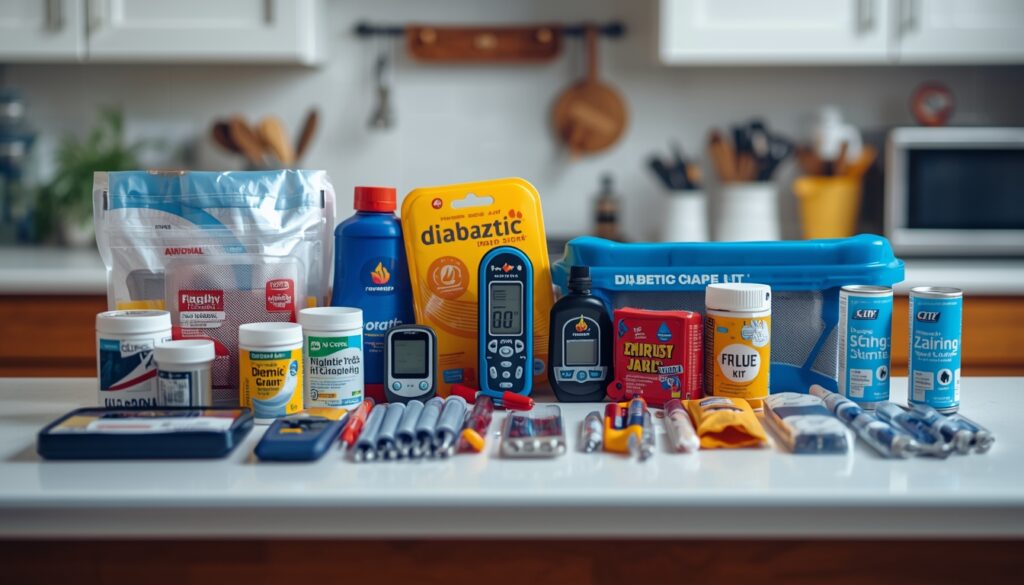
Diet changes are most effective when you can see how your body responds. Home blood sugar monitoring gives you real-time feedback on how specific meals affect your glucose levels. Tracking your fasting blood sugar over time also helps you and your doctor evaluate whether your dietary changes are working.
Understanding what your numbers mean is critical — our guide to Normal Blood Sugar Levels by Age: Complete Guide can help you interpret your readings in context.
—
Conclusion
An insulin resistance diet plan doesn’t have to be complicated or restrictive. At its core, it comes down to building meals around whole, minimally processed foods — plenty of vegetables, lean proteins, healthy fats, and fiber-rich carbohydrates — while reducing refined grains, added sugars, and ultra-processed foods.
Small, consistent changes add up over time. Swapping white rice for quinoa, replacing soda with water, and starting your day with protein instead of pastry can meaningfully improve how your body responds to insulin. Combined with regular physical activity and — where appropriate — monitoring your blood sugar at home, a thoughtful eating plan is one of the most powerful tools you have for managing insulin resistance and protecting your long-term health.
Start with one or two changes this week. Build from there. Your metabolism will thank you.
Frequently Asked Questions
What is the best diet for insulin resistance?
The best diet for insulin resistance focuses on whole, minimally processed foods — including non-starchy vegetables, lean proteins, healthy fats, legumes, and high-fiber whole grains. It limits refined carbohydrates, added sugars, and sugary beverages. Both Mediterranean-style and low-glycemic eating patterns have strong evidence supporting their effectiveness for improving insulin sensitivity.
How quickly can diet improve insulin resistance?
Some people see measurable improvements in blood sugar and insulin sensitivity within a few weeks of making consistent dietary changes, especially when combined with regular physical activity. However, the timeline varies based on how significant the dietary changes are, individual metabolism, and other lifestyle factors. Working with a healthcare provider helps set realistic expectations.
Can you reverse insulin resistance with diet alone?
In many cases, yes — especially in the earlier stages. Research consistently shows that dietary changes, weight loss (even modest amounts of 5–10% of body weight), and increased physical activity can significantly reduce or even normalize insulin sensitivity. For some people, these lifestyle changes are enough to prevent the progression to type 2 diabetes.
Are carbohydrates bad for insulin resistance?
Not all carbohydrates are equal. Refined carbohydrates (white bread, sugary foods, white rice) cause rapid blood sugar spikes and worsen insulin resistance. However, complex, fiber-rich carbohydrates — such as vegetables, legumes, and whole grains — are digested more slowly and have a much gentler effect on blood sugar. The goal is to choose quality carbohydrates and manage portions, not eliminate carbs entirely.
Leave a Reply