
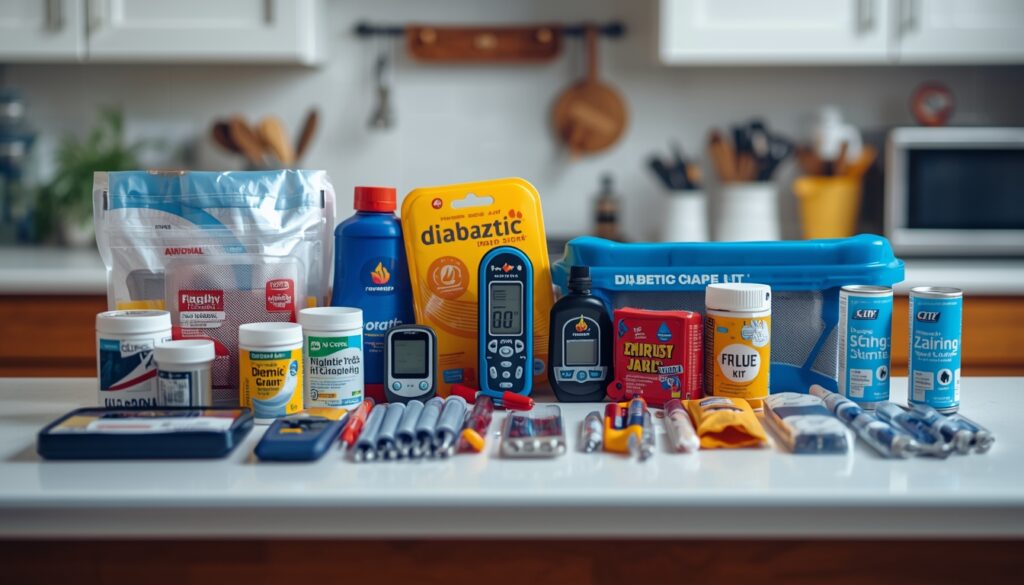
Blood glucose monitoring has become an essential aspect of modern healthcare, affecting millions of people worldwide who are either managing diabetes, prediabetes, or simply trying to maintain optimal metabolic health. While fasting blood glucose tests have traditionally been the gold standard for assessing blood sugar control, non-fasting blood glucose measurements provide equally valuable insights into how your body processes sugar throughout the day.
Understanding what constitutes normal blood glucose levels when you haven’t been fasting is crucial for anyone interested in their metabolic health. Unlike fasting tests that require 8-12 hours without food, non-fasting glucose measurements capture your blood sugar at any given moment, reflecting the dynamic interplay between your diet, physical activity, stress levels, and your body’s ability to regulate glucose.
This comprehensive guide will explore everything you need to know about non-fasting blood glucose levels, from the science behind glucose regulation to practical strategies for maintaining healthy blood sugar throughout the day. Whether you’re newly diagnosed with a blood sugar condition, supporting a family member, or simply proactive about your health, this resource will equip you with the knowledge to make informed decisions about your metabolic wellness.
Understanding Blood Glucose: The Fundamentals
What Is Blood Glucose?
Blood glucose, commonly referred to as blood sugar, is the primary source of energy for your body’s cells. When you consume carbohydrates—whether from bread, fruits, vegetables, or sugary snacks—your digestive system breaks them down into glucose, a simple sugar that enters your bloodstream. This glucose then travels throughout your body, providing fuel for everything from brain function to muscle movement.
The concentration of glucose in your blood at any given time is what healthcare providers measure when they check your blood sugar levels. This measurement is typically expressed in milligrams per deciliter (mg/d L) in the United States or millimoles per liter (mmol/L) in many other countries. Understanding these units is essential for interpreting your results accurately.
The Role of Insulin in Blood Sugar Regulation
Your body maintains blood glucose within a relatively narrow range through a sophisticated hormonal system, with insulin playing the starring role. Produced by the beta cells of your pancreas, insulin acts like a key that unlocks your cells, allowing glucose to enter and be used for energy or stored for later use.
When blood glucose rises after eating, your pancreas responds by releasing insulin. This hormone signals your liver, muscles, and fat cells to absorb glucose from the bloodstream, effectively lowering blood sugar levels. In healthy individuals, this process works seamlessly, maintaining glucose levels within normal parameters even after consuming a meal.
Conversely, when blood sugar drops too low—such as during extended periods without eating or after intense exercise—your pancreas releases another hormone called glucagon. This hormone signals your liver to release stored glucose (glycogen) back into the bloodstream, raising blood sugar levels to prevent hypoglycemia.
Why Non-Fasting Blood Glucose Matters
While fasting blood glucose provides a baseline measurement of your blood sugar control, non-fasting levels offer a more realistic picture of how your body handles glucose in everyday situations. After all, most of us spend the majority of our waking hours in a non-fasting state, having consumed food or beverages within the past few hours.
Non-fasting blood glucose measurements are particularly valuable because they can reveal:
Postprandial glucose response: How effectively your body manages blood sugar after meals, which is often where the earliest signs of insulin resistance appear.
Real-world glucose patterns: Your actual blood sugar levels during daily activities, which may differ significantly from fasting measurements.
Glucose variability: The degree to which your blood sugar fluctuates throughout the day, an increasingly recognized factor in metabolic health.
Early warning signs: Elevated non-fasting glucose can sometimes indicate developing insulin resistance before fasting levels become abnormal.
Normal Blood Glucose Levels Non-Fasting: The Numbers You Need to Know
Standard Reference Ranges
Understanding what constitutes normal non-fasting blood glucose levels requires familiarity with established medical guidelines. While these ranges can vary slightly between different health organizations and laboratories, the following values are generally accepted:
For individuals without diabetes:
Non-fasting blood glucose levels should typically remain below 140 mg/d L (7.8 mmol/L) at any point during the day. However, in truly healthy individuals with optimal metabolic function, levels rarely exceed 120 mg/d L (6.7 mmol/L) even after consuming a meal.
Optimal non-fasting range: 70-120 mg/d L (3.9-6.7 mmol/L)
Acceptable non-fasting range: Up to 140 mg/d L (7.8 mmol/L)
Concerning non-fasting levels: 140-199 mg/d L (7.8-11.0 mmol/L)
Diabetic range: 200 mg/d L (11.1 mmol/L) or higher
Postprandial Blood Glucose Targets
Postprandial blood glucose refers specifically to blood sugar levels measured after eating. The timing of measurement is crucial for accurate interpretation:
One hour after eating: Blood glucose typically peaks around 60-90 minutes after beginning a meal. In healthy individuals, levels should remain below 180 mg/d L (10.0 mmol/L), though optimal levels stay below 140 mg/d L (7.8 mmol/L).
Two hours after eating: This is the most commonly used postprandial measurement. Normal levels should return to below 140 mg/d L (7.8 mmol/L). In individuals with excellent glucose control, levels often return to pre-meal values (under 100 mg/d L) within this timeframe.
Three hours after eating: Blood glucose should have returned to near-baseline levels, typically below 100 mg/d L (5.6 mmol/L) in healthy individuals.
Variations Based on Age and Health Status
It’s important to recognize that normal blood glucose ranges can vary based on individual factors:
Children and adolescents: Young people typically have slightly lower blood glucose levels than adults. Non-fasting levels in healthy children usually remain below 120 mg/d L (6.7 mmol/L).
Older adults: As we age, glucose tolerance naturally decreases somewhat. Healthcare providers may accept slightly higher non-fasting levels in elderly patients, particularly those with multiple health conditions where tight glucose control carries risks.
Pregnant women: During pregnancy, blood glucose targets are typically stricter due to the risks of gestational diabetes. Non-fasting levels should generally remain below 120 mg/d L (6.7 mmol/L) one hour after meals and below 100 mg/d L (5.6 mmol/L) two hours after meals.
People with diabetes: Target ranges for individuals with diabetes are personalized based on their overall health, risk of hypoglycemia, and other factors. Generally, non-fasting targets are below 180 mg/d L (10.0 mmol/L), though tighter control may be appropriate for some individuals.
Factors That Influence Non-Fasting Blood Glucose Levels
Dietary Factors
What you eat has the most immediate and significant impact on your non-fasting blood glucose levels. Understanding how different foods affect your blood sugar can help you make choices that support stable glucose levels:
Carbohydrate quantity: The total amount of carbohydrates in a meal is the primary determinant of postprandial glucose rise. A meal containing 60 grams of carbohydrates will generally raise blood sugar more than one containing 30 grams, assuming similar carbohydrate types.
Carbohydrate quality: Not all carbohydrates affect blood sugar equally. The glycemic index (GI) measures how quickly a food raises blood glucose. High-GI foods (white bread, white rice, sugary drinks) cause rapid spikes, while low-GI foods (whole grains, legumes, most vegetables) produce more gradual increases.
Fiber content: Dietary fiber slows carbohydrate absorption, resulting in more gradual glucose rises. Foods high in soluble fiber, such as oats, beans, and apples, are particularly effective at moderating blood sugar responses.
Protein and fat: While these macronutrients don’t directly raise blood sugar significantly, they slow gastric emptying and carbohydrate absorption. A meal combining carbohydrates with protein and healthy fats typically produces a lower, more sustained glucose response than carbohydrates alone.
Meal timing and frequency: Eating patterns affect glucose regulation. Large, infrequent meals tend to cause greater glucose spikes than smaller, more frequent meals. However, constant snacking can keep glucose elevated throughout the day.
Physical Activity and Exercise
Exercise has both immediate and long-term effects on blood glucose levels:
During exercise: Physical activity increases glucose uptake by muscles, which can lower blood sugar during and immediately after exercise. This effect occurs independently of insulin, making exercise particularly beneficial for individuals with insulin resistance.
After exercise: The glucose-lowering effect of exercise can persist for 24-48 hours as muscles replenish their glycogen stores. This is why regular physical activity is so effective for long-term glucose control.
Exercise intensity matters: Moderate-intensity exercise (brisk walking, cycling, swimming) typically lowers blood glucose. However, high-intensity exercise can temporarily raise blood sugar due to stress hormone release, though levels usually normalize afterward.
Timing considerations: A short walk after meals can significantly reduce postprandial glucose spikes. Even 10-15 minutes of light activity after eating can improve glucose control.
Stress and Hormonal Factors
Your body’s stress response has a direct impact on blood glucose levels:
Acute stress: When you experience stress, your body releases cortisol and adrenaline, which trigger glucose release from the liver and reduce insulin sensitivity. This “fight or flight” response can raise blood sugar even without eating.
Chronic stress: Prolonged stress keeps cortisol levels elevated, contributing to persistent insulin resistance and higher baseline glucose levels. This is one reason why stress management is crucial for metabolic health.
Sleep quality: Poor sleep affects glucose regulation through multiple mechanisms. Even one night of inadequate sleep can reduce insulin sensitivity the following day. Chronic sleep deprivation is associated with increased diabetes risk.
Hormonal fluctuations: Women may notice blood glucose variations related to menstrual cycles, with levels often higher in the days before menstruation. Menopause can also affect glucose regulation due to changing estrogen levels.
Medications and Supplements
Various medications can influence blood glucose levels:
Corticosteroids: Medications like prednisone significantly raise blood glucose by increasing insulin resistance and promoting glucose production by the liver.
Beta-blockers: These blood pressure medications can mask symptoms of hypoglycemia and slightly impair glucose tolerance.
Thiazide diuretics: Some water pills can modestly increase blood glucose levels.
Antipsychotic medications: Certain psychiatric medications are associated with weight gain and increased diabetes risk.
Supplements: Some supplements, including high-dose niacin, can affect blood glucose. Others, like berberine and chromium, may have glucose-lowering effects.
Illness and Infection
When your body fights illness, blood glucose levels often rise:
Infection response: The immune response to infection triggers stress hormones that raise blood sugar. This is why people with diabetes often need to adjust their medication during illness.
Inflammation: Chronic low-grade inflammation, common in obesity and certain autoimmune conditions, contributes to insulin resistance and elevated glucose levels.
Recovery period: Blood sugar may remain elevated for several days after recovering from illness as your body’s stress response normalizes.
Testing Non-Fasting Blood Glucose: Methods and Best Practices
Home Blood Glucose Monitoring
For many people, home glucose monitoring with a glucometer is the most practical way to track non-fasting blood sugar levels:
Choosing a glucometer: Modern blood glucose meters are generally accurate and easy to use. Look for features like adequate memory storage, connectivity to smartphone apps, and affordable test strips. Some newer devices require smaller blood samples and provide results in seconds.
Proper testing technique: Accurate results depend on correct technique:
1. Wash your hands with soap and warm water, then dry thoroughly. Avoid alcohol wipes immediately before testing, as residue can affect results.
2. Insert a fresh test strip into your meter.
3. Use the lancing device to obtain a blood sample from the side of your fingertip, which is less painful than the pad.
4. Apply the blood drop to the test strip as directed by your meter’s instructions.
5. Record your result along with relevant information (time, recent food intake, activity level).
When to test: For non-fasting measurements, consider testing:
– Before meals to establish baseline
– One to two hours after meals to assess postprandial response
– Before and after exercise
– When you feel symptoms of high or low blood sugar
– At random times to capture your typical glucose patterns
Continuous Glucose Monitoring (CGM)
Continuous glucose monitors represent a significant advancement in glucose tracking:
How CGM works: A small sensor inserted under the skin measures glucose in interstitial fluid every few minutes, providing a continuous stream of data. This information is transmitted to a receiver or smartphone app, allowing you to see your glucose levels in real-time.
Benefits of CGM:
– Reveals glucose patterns that spot-checking might miss
– Shows trends and rate of glucose change
– Alerts you to high or low glucose levels
– Provides comprehensive data for healthcare provider review
– Eliminates the need for frequent finger sticks
Limitations to consider:
– Higher cost than traditional glucometers
– Requires sensor replacement every 7-14 days depending on the device
– May have a slight lag compared to blood glucose
– Some activities may affect sensor accuracy
CGM for non-diabetics: While traditionally used for diabetes management, CGM is increasingly popular among health-conscious individuals seeking to optimize their metabolic health. Several companies now offer CGM programs for people without diabetes who want to understand their glucose responses to food and lifestyle factors.
Laboratory Testing
Healthcare providers may order laboratory tests to assess glucose control:
Random plasma glucose: A blood sample taken at any time, regardless of when you last ate. This test is often used for screening or when diabetes is suspected based on symptoms.</p
🏆 Best 🎯 Normal Blood Glucose Levels Non Fasting Products – Expert Reviews & Comparisons
Our team has tested and analyzed hundreds of 🎯 normal blood glucose levels non fasting options to bring you these top-rated products. Each recommendation is based on real performance data, customer feedback, and value analysis.
| Product | Rating | Price | Key Features | Action |
|---|---|---|---|---|
| Anti-Spike Formula by The Glucose Goddess – 3-Month Supply ( | ⭐ 4.1 stars | Check Price | High quality, reliable performance, great value |
📦 View Details |
| G-425-3 Blood Glucose Monitor Kit, 100 Test Strips, 100 Lanc | ⭐ 4.4 out of 5 stars | $18. | High quality, reliable performance, great value |
📦 View Details |
| Mb H Smart Blood Glucose, Ketone, Cholesterol Monitor Kit wit | ⭐ 2.9 out of 5 stars | $59. | High quality, reliable performance, great value |
📦 View Details |
📋 In-Depth 🎯 Normal Blood Glucose Levels Non Fasting Product Analysis
Here’s our comprehensive breakdown of the top 🎯 normal blood glucose levels non fasting products, including pros, cons, and who each product is best suited for:
#1. Anti-Spike Formula by The Glucose Goddess – 3-Month Supply (1 Bottle + 2 Refill Pouches), Supports Healthy Blood Sugar L
Rating: ⭐ 4.1 stars | Price: Check Price
High-quality 🎯 normal blood glucose levels non fasting with excellent features and performance.
✅ Pros:
- Professional-grade quality
- Outstanding customer support
- Premium materials and construction
- Excellent long-term value
❌ Cons:
- Higher initial investment
- May be overkill for casual users
🎯 Best For: Professionals and serious users who need reliable, high-performance equipment.
🛒 Check Current Price on Amazon
✅ Prime delivery available | ✅ 30-day returns | ✅ Customer support included
#2. G-425-3 Blood Glucose Monitor Kit, 100 Test Strips, 100 Lancets, 1 Blood Sugar Monitor, 1 Lancing Device, Diabetes Testi
Rating: ⭐ 4.4 out of 5 stars | Price: $18.
High-quality 🎯 normal blood glucose levels non fasting with excellent features and performance.
✅ Pros:
- Excellent price-to-performance ratio
- Comprehensive feature set
- Reliable performance
- Great customer reviews
❌ Cons:
- Limited premium features
- Assembly required
🎯 Best For: Users who want professional results without the premium price tag.
🛒 Check Current Price on Amazon
✅ Prime delivery available | ✅ 30-day returns | ✅ Customer support included
#3. Mb H Smart Blood Glucose, Ketone, Cholesterol Monitor Kit with Ketosis & Suger Diabetes Cholesterol test strip. Free App
Rating: ⭐ 2.9 out of 5 stars | Price: $59.
High-quality 🎯 normal blood glucose levels non fasting with excellent features and performance.
✅ Pros:
- Affordable price point
- Easy to use
- Good build quality
- Great for beginners
❌ Cons:
- Basic feature set
- Limited advanced options
🎯 Best For: Beginners and budget-conscious users who want quality basics.
🛒 Check Current Price on Amazon
✅ Prime delivery available | ✅ 30-day returns | ✅ Customer support included
📢 Transparency Notice
Amazon Affiliate Disclosure: This article contains affiliate links to Amazon products. As an Amazon Associate, we earn a small commission from qualifying purchases at no additional cost to you. This helps us maintain our website and continue providing valuable, unbiased content. We only recommend products we believe in and that meet our strict quality standards. Our editorial content is not influenced by affiliate partnerships.
Why Trust Our Recommendations:
- ✅ Independent testing and research
- ✅ Real customer review analysis
- ✅ Price and feature comparisons
- ✅ Regular updates to ensure accuracy
Leave a Reply